Choosing a Pump System for Your Property: Residential, Agricultural, and Irrigation Options for Pump Systems Sales in Eugene, OR
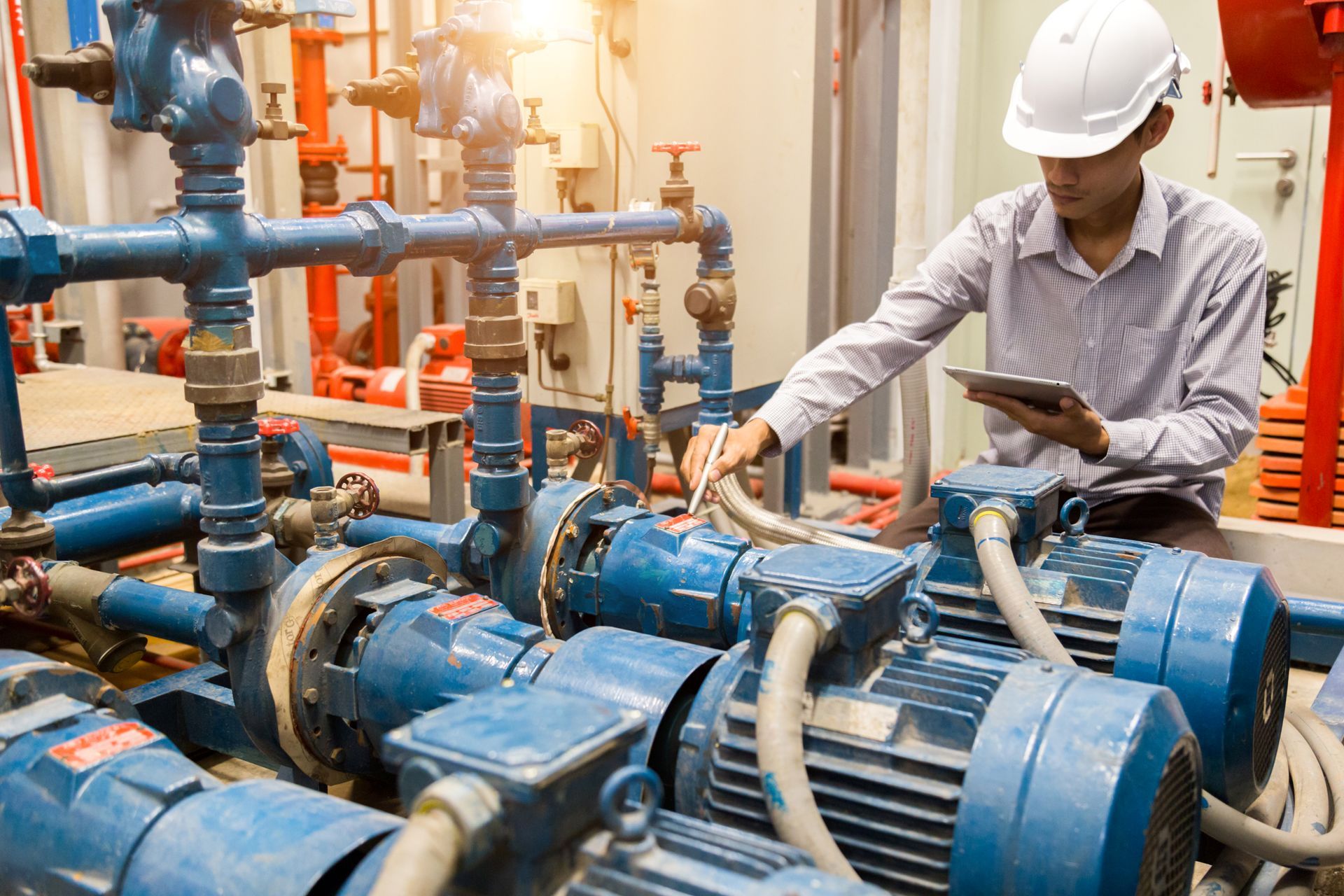
Pump systems sales cover a wide range of options suited to residential, agricultural, and irrigation needs. Eugene sits at the southern end of the Willamette Valley, a region known for productive farmland and a wet-to-dry seasonal swing that places real demands on water infrastructure. Whether you are supplying water to a rural home, a vineyard, a hazelnut orchard, or a row-crop field, understanding your options before you buy can save you time, money, and frustration.
Understanding Pump System Types by Property Use
Residential Well Pumps
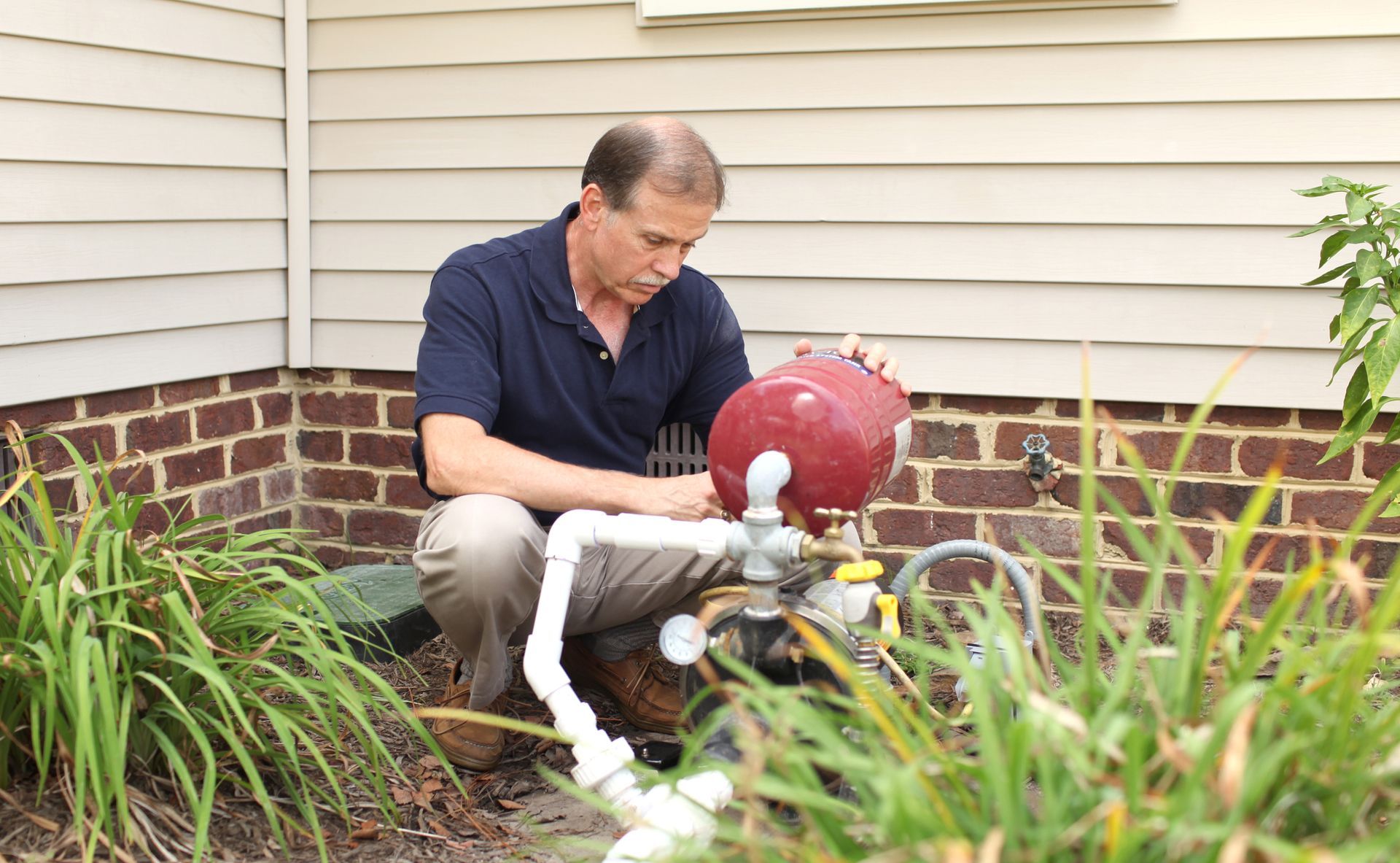
Homes outside Eugene's city water service area often rely on private wells. Submersible pumps are the most common choice, sitting inside the well casing and pushing water up efficiently and quietly. Jet pumps are an option for shallower wells and can be installed above ground. Key factors are well depth, household water demand, and consistent pressure for bathing, laundry, and kitchen use. Homeowners researching pump systems sales will find that submersible models dominate the residential market for these reasons.
Agricultural Pump Systems
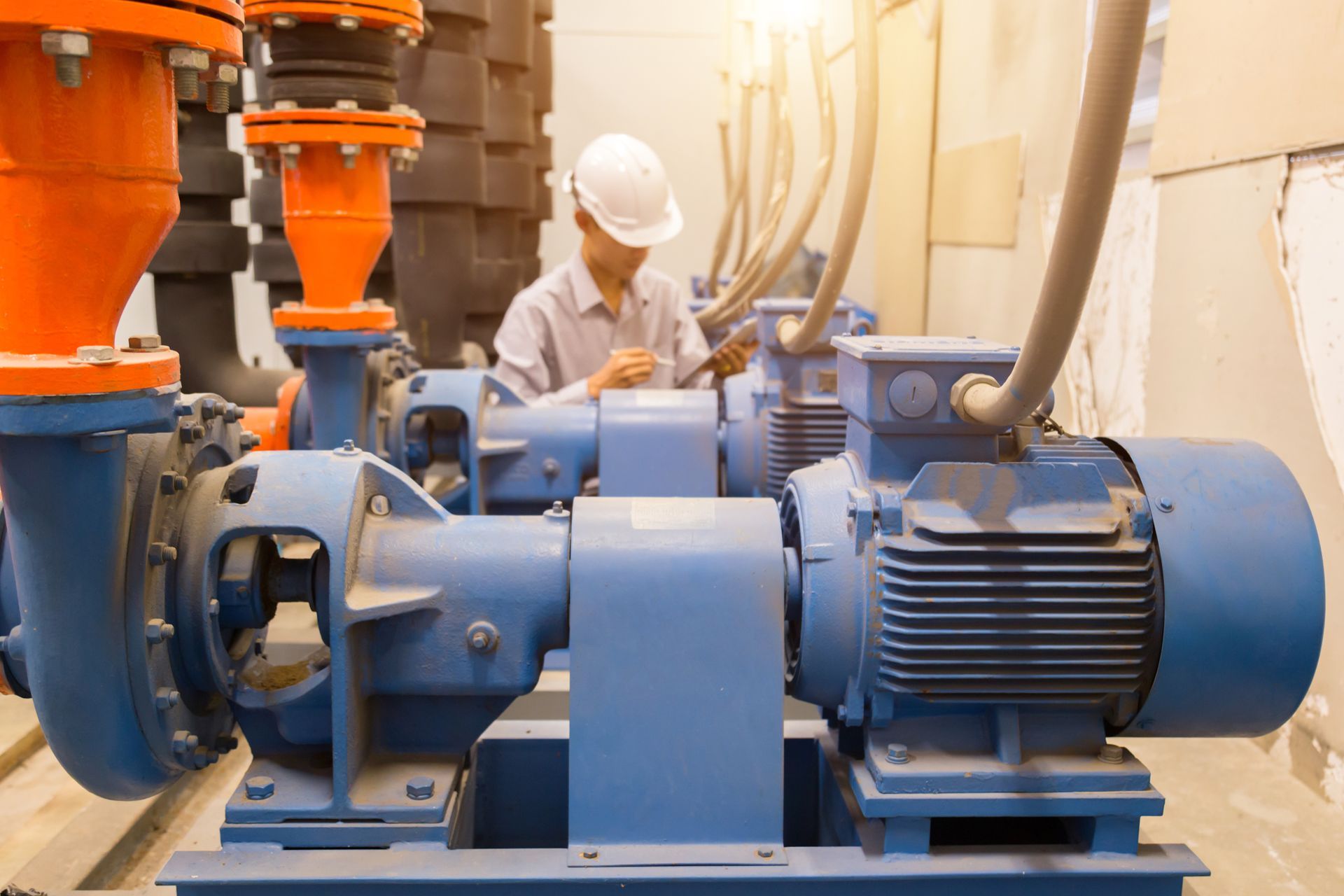
Lane County supports a wide mix of operations, including grass seed farms, nurseries, berry growers, hazelnut orchards, and vineyards. These often need high-capacity pumps that move large volumes of water reliably during the dry season, typically June through September. Turbine and centrifugal pumps are common in agricultural settings because they handle the flow rates and continuously run times that crops demand. Aquifer depth and local water rights can influence which system makes the most sense. Farmers evaluating pump systems sales should factor in seasonal water table changes when selecting equipment.
Irrigation Pump Systems
Irrigation systems range from simple drip setups for a home garden to large-scale networks serving dozens of acres. The pump must match the system's pressure and flow requirements. Drip irrigation typically needs less pressure than overhead sprinklers, and sizing carefully avoids wasting energy or under-supplying the system. Properties that transition from wet winters to dry summers may benefit from variable-speed drives that adjust output based on seasonal demand. For irrigation customers, pump systems sales should always include a careful review of flow and pressure specifications before purchase.
Key Factors to Consider Before Buying a Pump
Flow rate: How many gallons per minute does your property need? Residential homes typically need less than agricultural operations, but the answer depends on fixtures, irrigation zones, or livestock needs.
Pressure requirements: Different systems need different PSI levels. Know your required pressure before comparing models.
Well or water source depth: Depth determines whether a submersible, jet, or turbine pump fits best. Deeper sources generally favor submersible or turbine designs.
System compatibility: The pump should integrate smoothly with existing pipes, pressure tanks, and controls. A mismatch causes pressure fluctuations and equipment wear.
Power supply: Verify whether single-phase or three-phase electricity is available, especially on rural parcels outside city limits.
Willamette Valley Terrain and Seasonal Considerations
The Eugene area presents specific conditions that affect pump performance. The region receives most of its rain between October and May, with groundwater levels often highest in late winter and lowest by late summer. Properties relying on wells for irrigation may see water table fluctuations of more than 60 feet between seasons, which means pump selection and setting depth matter considerably. Systems here need to perform during peak summer demand when water tables are lowest. Frost risk in late fall and early spring also means above-ground components may need seasonal protection or heat tape. These local realities make pump systems sales a decision that benefits from guidance rooted in regional experience.
Questions to Ask Before You Purchase
Before committing to pump systems sales, consider these questions: What is the static and pumping water level in my well? What is the maximum sustained flow rate my water source can support? Will the pump be compatible with my existing pressure tank and controls? Does my property have the correct electrical service? Are installation, warranty support, and future service available locally? Getting solid answers before purchase helps you avoid costly mismatches.
How Sales and Installation Work Together
Buying a pump and having it professionally installed as a package produces better long-term results than sourcing equipment and labor separately. When a single provider handles both pump systems sales and the installation, there is clear accountability for system performance. The technician already understands the equipment, which simplifies future service and reduces setup errors. For agricultural and irrigation customers, this bundled approach means the system is calibrated to actual field conditions rather than generic specifications.
To review available options, the pump systems sales page covers residential, agricultural, and irrigation applications.
Frequently Asked Questions
What Type of Pump Is Best for a Rural Home with a Private Well in Eugene, OR?
Submersible pumps are often the most practical choice for pump systems sales focused on residential wells. They handle deeper wells efficiently and provide consistent household pressure. The right model depends on well depth and daily water demand, so a professional assessment helps narrow the options.
How Do Agricultural Pump Needs Differ from Residential Pump Needs?
Agricultural pumps need to move far more water over longer run times. Farm and orchard operations in Lane County may require turbine or centrifugal systems capable of sustaining high flow rates through the dry season. Residential systems are sized for lower demand and intermittent use.
Can One Pump System Handle Both Household Water and Drip Irrigation?
In some cases, yes, but it depends on well yield, system pressure, and simultaneous demand. Running household fixtures and irrigation at the same time can strain a pump not sized for the combined load. A professional review determines whether a shared or dedicated pump makes more sense.
Ready to Find the Right Pump System for Your Property?
C & M Pump Co. has been serving Lane County since 1977, helping homeowners, farmers, and irrigation customers find pump systems sales that hold up season after season. The team pairs pump sales with professional installation, so there is one point of contact from purchase through setup. Homeowners and agricultural operations alike turn to C & M Pump Co. for pump systems sales because the team brings decades of experience with local well conditions, water rights, and seasonal demand. To discuss your property's needs or request a quote, contact the water system experts or call (541) 726-5586 today. You can also find C & M Pump Co. on Google at C & M Pump Co. to read reviews and get directions.